
In the dermatological clinic in Cuenca, Ecuador, one of the most frequent consultations revolves around how to restore the skin’s natural luminosity, eliminate those annoying sunspots, and fade the small veins that appear with the passage of years and the altitude typical of our Andean region. Ultraviolet radiation in our geographical area is intense, which accelerates cutaneous photoaging and generates pigmentary and vascular alterations that concern many patients. Fortunately, dermatological technology has evolved remarkably, allowing us to offer safe, effective solutions with minimal downtime. Among the most versatile alternatives I have in my practice is an advanced light-based technology capable of addressing multiple skin problems simultaneously, improving not only the aesthetics, but also the overall health and skin quality of those who trust in my professional diagnosis.
Intense pulsed light (IPL) is an aesthetic and dermatological treatment based on the use of a high-intensity, broad-spectrum light source that emits multiple wavelengths. This energy penetrates the deep layers of the skin to selectively treat pigmented lesions and dilated capillaries, and to stimulate collagen production without damaging the skin’s surface.
What is Intense Pulsed Light (IPL)?
Intense pulsed light, commonly known by its English acronym IPL (Intense Pulsed Light), is not a traditional laser, although it is often confused with one. While the laser emits a monochromatic, unidirectional beam of light, IPL uses a polychromatic, incoherent, broad-spectrum beam of light, filtered through different crystals to adapt to specific needs.
This technology works under the principle of selective photothermolysis. This means that the light energy is absorbed by specific chromophores in the skin, mainly melanin (responsible for dark spots) and hemoglobin (present in blood vessels and redness). By absorbing the light, these elements heat up and are destroyed in a controlled manner, subsequently being eliminated by the body’s natural regeneration mechanisms.
In my experience as a dermatologist in Cuenca, IPL has become an indispensable tool for non-ablative facial rejuvenation. Not only do we combat the visible signs of accumulated sun damage, but we also achieve a global biorevitalization effect. According to studies by the Spanish Academy of Dermatology and Venereology (AEDV), treatments based on light sources significantly improve skin texture, reduce the size of dilated pores, and unify skin tone, which is highly valued by patients seeking natural results without compromising their daily activities.
When is it indicated?
The indications for intense pulsed light are extremely broad, encompassing both corrective and preventive treatments in aesthetic dermatology. In my clinic, I evaluate each case in a personalized way to determine if this technology is the ideal option or if we should complement it with other procedures such as comprehensive facial rejuvenation.
Among the main clinical and aesthetic indications we find:
- Benign pigmented lesions: Solar lentigines or age spots caused by chronic sun exposure, freckles, and controlled melasma.
- Vascular lesions: Telangiectasias (small broken blood vessels on the sides of the nose and cheeks), couperose, rosacea in its mild to moderate stages, and small flat angiomas.
- Cutaneous photoaging: Skin with a loss of elasticity, rough texture, dull tone, and fine expression lines.
- Inflammatory crowding and acne marks: IPL has anti-inflammatory and bactericidal properties, helping to reduce post-acne residual erythema.
- Medical hair removal: Although specific lasers exist for this purpose, IPL continues to be used successfully in certain phototypes for permanent body and facial hair reduction.
It is important to highlight that, according to international clinical dermatology guidelines, IPL is contraindicated in patients with very dark skin phototypes (Fitzpatrick V and VI) due to the high risk of post-inflammatory hyperpigmentation or burns, as well as in individuals with a history of keloid scars, recent use of photosensitive medications, or ongoing pregnancy.
Process or Step-by-Step Treatment
To guarantee maximum safety and efficacy, the intense pulsed light procedure at my clinic in Cuenca follows a strict medical protocol:
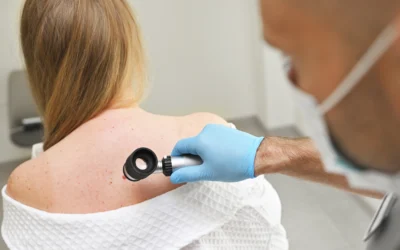
- Prior dermatological evaluation: We analyze your skin type through a complete medical history, ruling out malignant lesions and selecting the optimal equipment parameters.
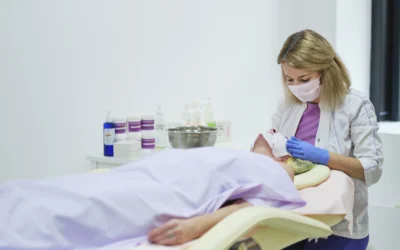
- Skin preparation: A deep cleansing is performed to remove any trace of makeup, sunscreen, or oil. The patient’s eyes are then covered with special protective goggles.
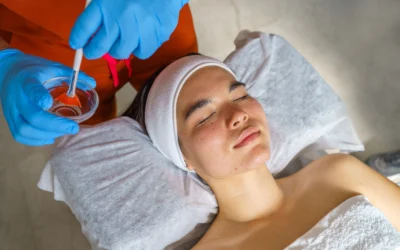
- Application of conductive gel: A cold layer of transparent gel is spread over the area to be treated, which facilitates light conduction and protects the epidermis.
- Firing of the light pulses: I glide the device’s handpiece over the skin while it emits flashes of light. You will feel a sensation similar to a small snap of a hot rubber band against the skin, accompanied by an integrated cooling system that minimizes any discomfort.
- Post-treatment cleansing and hydration: The gel is removed, the skin is cleaned with saline solution, and a soothing or repairing cream is applied along with a broad-spectrum sunscreen.
If you want to know more about how we prepare your skin before light-based procedures, you can review our recommendations on skin care on our website.
Recovery and Care
One of the great advantages of IPL is that it is an outpatient procedure with an extremely short recovery time, allowing the patient to return to their activities almost immediately.
Immediately after the session, it is completely normal to experience mild redness (erythema) and a sensation similar to a mild sunburn, which usually disappears in the first few hours. If dark spots were treated, they will darken noticeably in the first two to three days, acquiring the appearance of ‘small coffee grounds’ or very thin crusts that will peel off naturally between the fifth and tenth day.
To ensure proper healing and avoid unwanted side effects, I recommend following this essential care:
- Strict sun protection: The use of SPF 50+ sunscreen reapplied every 3 hours is mandatory, even if you are indoors or on cloudy days in Cuenca.
- Avoid intense heat sources: Suspend saunas, Turkish baths, intense physical exercise, and very hot showers during the first 48 hours.
- Do not scratch or remove the crusts: Allow the skin to regenerate and expel the pigment on its own to avoid permanent marks or spots.
- Avoid irritating products: Temporarily suspend the use of exfoliating acids (glycolic, salicylic) and retinoids for at least a week before and after the treatment.
How much does it cost in Cuenca, Ecuador?
The cost of an intense pulsed light treatment in Cuenca can vary depending on the complexity of the case, the extent of the area to be treated, and the specific technology of the dermatological equipment used. As an indicative reference in the local market:
- Full face individual session: Between $80 and $150 USD.
- Package of 3 sessions (recommended for optimal results): Between $200 and $380 USD.
- Specific areas (neck, neckline, or hands): Between $60 and $100 USD per session.
In my clinic, we always perform a prior diagnosis to offer you a budget tailored to your skin’s real needs.
Frequently Asked Questions
Is it painful?
It is not considered a painful procedure. Most patients describe the sensation as a mild prick or fleeting warmth. Modern equipment features contact cooling systems that slightly anesthetize the skin surface, making the session very well tolerated.
How long does recovery last?
Social downtime is practically nil. You can return to work the same day. The initial redness disappears in hours, and the flaking of the treated spots takes between 5 and 10 days, a period during which corrective makeup can be used without problem.
Does health insurance cover it in Ecuador?
Being a procedure classified primarily within aesthetic dermatology and photoaging improvement, private health insurance and the public system (IESS / MSP) in Ecuador generally do not cover it, as it is not considered an emergency intervention or vital pathology.
How many sessions are needed to see definitive results?
An initial protocol of 3 to 5 sessions performed with a 4-week interval between each is generally recommended. However, positive changes in luminosity and texture are usually noticed from the first week following the first session.
Comparative table: IPL vs. Vascular Laser for redness
| Feature | Intense Pulsed Light (IPL) | Specific Vascular Laser |
|---|---|---|
| Light spectrum | Broad spectrum (multi-wavelength) | Monochromatic (a single precise wavelength) |
| Versatility | Treats spots, redness, and texture simultaneously | Highly specific for deep blood vessels or specific lesions |
| Recovery time | Very low (1 to 3 days of mild erythema) | May present greater inflammation or temporary purpura |
| Ideal indication | Diffuse couperose, mild rosacea, global sunspots | Marked telangiectasias, venous lakes, resistant spider veins |
When to consult Dr. Lorena Villa?
If you notice that the spots on your face have increased, your cheeks remain persistently red, or you wish to recover the freshness and firmness that your skin has lost due to the passage of time and solar radiation in our beautiful city of Cuenca, it is the ideal time to schedule a professional evaluation. As a dermatology specialist, I am trained to make an accurate diagnosis of your skin condition and design a tailored therapeutic plan, combining cutting-edge technology like IPL with the best medical care. I invite you to visit our contact section at contact to schedule your appointment and begin the path toward healthier, more uniform, and radiant skin.