Atopic Dermatitis in Ecuador: A Challenge on the Skin
Atopic dermatitis (AD), commonly known as eczema, is a chronic and inflammatory skin condition that affects people of all ages, but is most frequent in children. In Ecuador, the incidence of atopic dermatitis is significant, and understanding its causes, symptoms, and treatment options is crucial to improve the quality of life of those who suffer from it. Mayo Clinic offers detailed information on this condition.
Causes and Triggers
Atopic dermatitis is a multifactorial disease, which means it is caused by a combination of genetic, environmental, and immunological factors. In Ecuador, factors such as humidity, heat, and exposure to common allergens (dust mites, pollen, pets) can exacerbate symptoms. Genetic predisposition plays an important role; if a close family member suffers from AD, the risk of developing it increases considerably. Other triggers include: stress, irritants (soaps, detergents), infections, and certain foods.
Common Symptoms
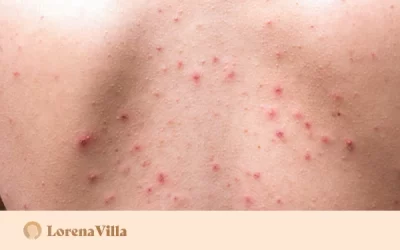
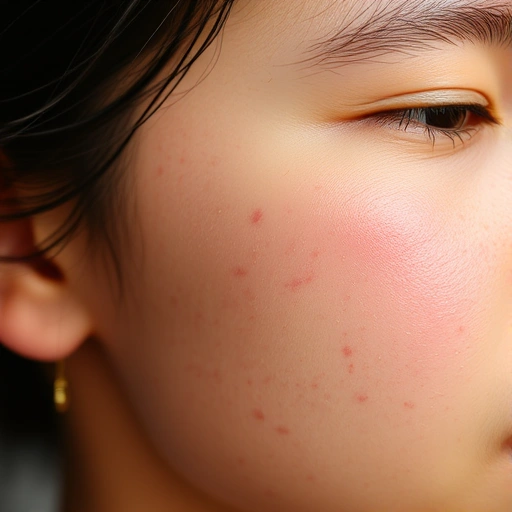
The symptoms of atopic dermatitis vary depending on age and the severity of the disease. In infants and young children, AD usually presents as red, itchy rashes on the face, scalp, elbows, and knees. In adolescents and adults, rashes tend to appear in the skin folds (elbows, knees, neck) and can cause thickening and flaking of the skin. Itching is a distinctive and often intense symptom, which can lead to scratching and worsen inflammation. It is important to note that atopic dermatitis can significantly affect the quality of life, causing sleep problems and affecting daily activities. If you suspect you have atopic dermatitis, schedule an appointment at Lorena Villa Medicina Estética.
Treatments and Care in Ecuador
The treatment of atopic dermatitis in Ecuador focuses on relieving symptoms, controlling inflammation, and preventing exacerbations. Skin care measures are essential: frequent hydration with emollient creams (apply several times a day), avoiding hot showers and baths, and using mild, fragrance-free soaps. Wearing loose-fitting cotton clothing helps minimize irritation. Medical treatments may include:
- Topical corticosteroids: To reduce inflammation and itching.
- Topical calcineurin inhibitors: To control long-term inflammation.
- Antihistamines: To relieve itching, especially at night.
- Phototherapy (light therapy): In more severe cases, it can be effective in reducing inflammation.
- Biologic medications: More recent options for moderate to severe cases.
In Ecuador, it is essential to consult a dermatologist to obtain an accurate diagnosis and a personalized treatment plan. Regular follow-up and education on skin care are key to the long-term management of atopic dermatitis. At Lorena Villa Medicina Estética, we offer a complete assessment and effective treatments for patients with atopic dermatitis. Early care and appropriate treatment can significantly improve the quality of life and reduce the impact of this condition.
Additional Tips
Avoiding known triggers, maintaining good skin hygiene, and wearing appropriate clothing are important steps in controlling atopic dermatitis in Ecuador. Consider allergy testing to identify potential triggering allergens. Consult with a dermatologist in Ecuador for expert advice and a treatment plan tailored to your specific needs. For more information and appointments, visit Lorena Villa Medicina Estética. Remember, proactive management of atopic dermatitis can lead to a better quality of life.